
Grey Snake Guardian Paracord 550 Type III
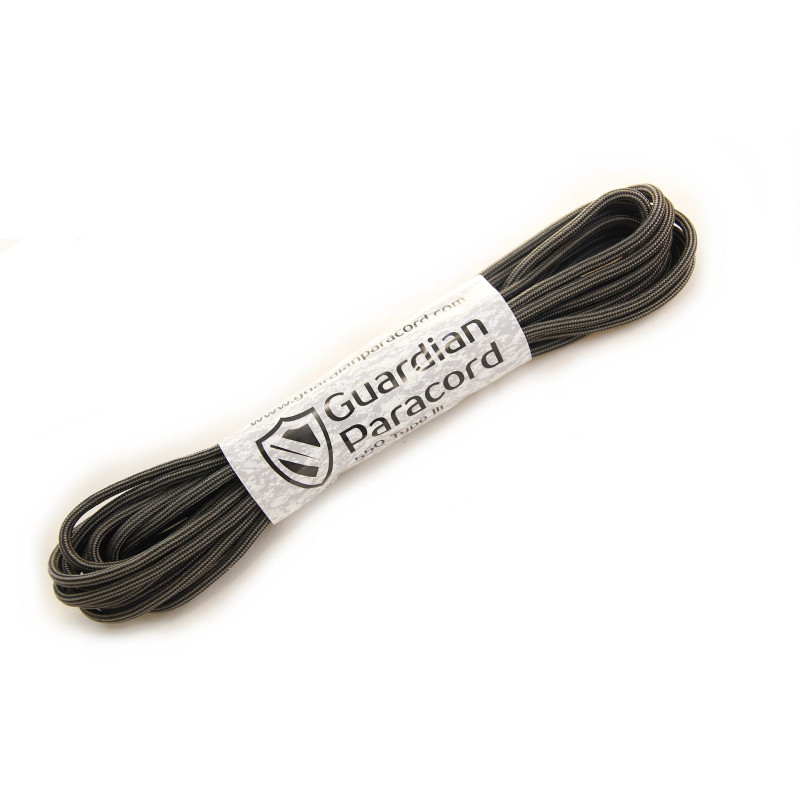
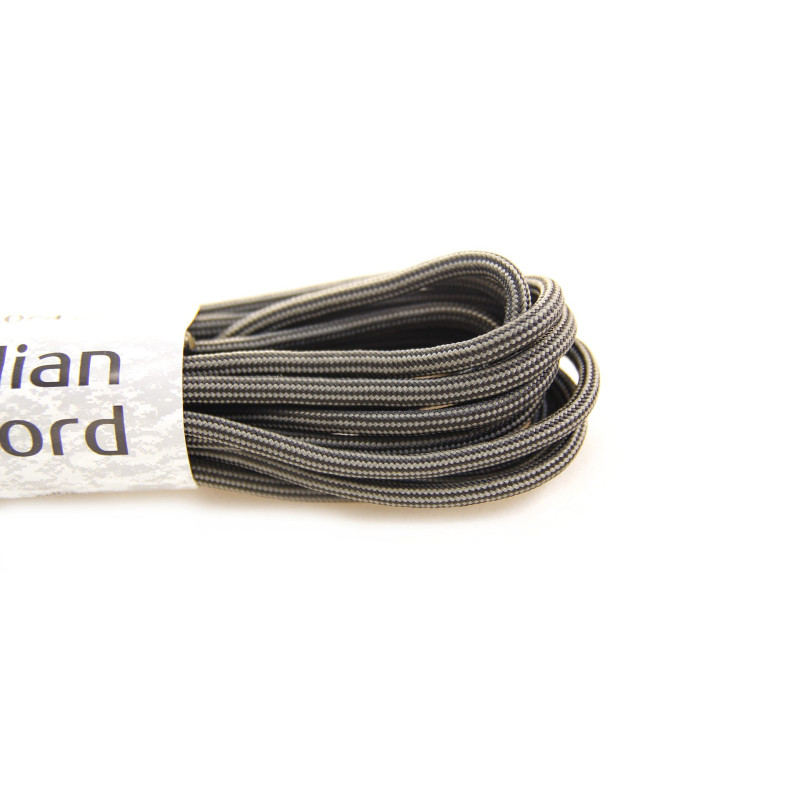


Guardian Paracord Type III 550
Strength: 240 kg
Steath: 32 yarns.
Core: 7 yarns.
Diameter: 3,5 mm.
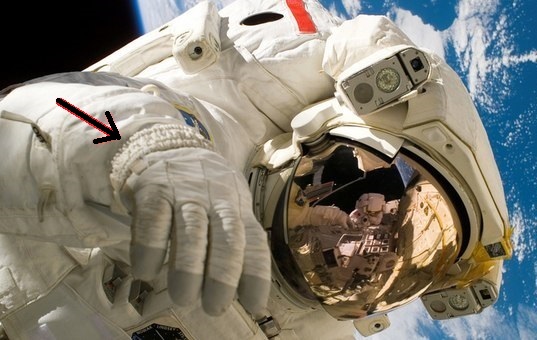
Parachute cord or cord (English Paracord, cord, parachute cord.) - Parachute cord, comes from parachute straps, which are actively used parachutists after landing during the Second World War. Through its universal characteristics (lightweight, flexible, durable, multi-purpose) parachute cord became widespread among both military and civilian. Parachute cord used even by astronauts as a multipurpose cord during mission STS-82 to repair the Hubble Space Telescope.
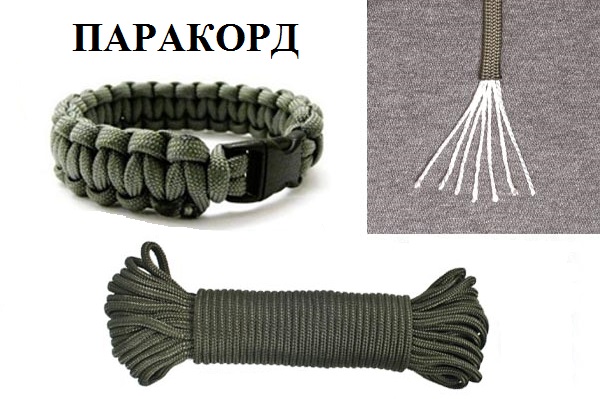
Parachute cord - Nylon Cord consisting of an outer sheath (a large number of woven fibers) and core (a few nylon yarns interwoven), which provides its strength and light weight.
Parachute cord has several types (I, II, III, IV), which differ by the number of filaments in the core, and consequently also in its strength. Certified US military parachute cord called Mil-Spec Paracord or MIL-C-5040 Type III (Military Specification), belongs to the type III and withstands tensile strength of 550 pounds or 250 kg and has 7 strands in the core. His commercial or civil version - 550 Type III Sommercial - has the same characteristics of strength. Weight: '30 parachute cord weighs approximately 200 grams.
It must be remembered that the parachute cord - it's not a climbing rope and can withstand a static load, rather than dynamic, that is slightly stretched while jerking or sudden load.
Usage: parachute cord - a very good alternative to the usual rope. Through its universal characteristics (lightweight, flexible, durable, multi-purpose, quick-drying, does not rot but not moldy) use of parachute cord is limited only by the physical properties of parachute cord, the cord length and imagination bracelet holder with parachute cord, which is also called "survival bracelet."
Here are 50 ways to use parachute cord:
Clothing / Equipment
• to repair clothing and equipment: sew the thread from the core, tighten / tie cord parts separated;
• parachute cord or replace the belt can make pants for suspenders; how strong laces for shoes;
• If the broken zipper on clothing or equipment - can be tightened / connected with parachute cord;
• How rifles, straps, loops or attachment to the equipment, for example, to distribute the weight of the load;
• to pull the tent, tarp tent raincoat, poncho; fix camouflage scrim; a belt for machine gun and other weapons;
• the rope for drying clothing and equipment;
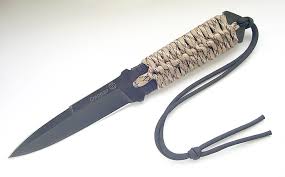
• for braiding knife handle, make lanyard for knife;
• as a replacement for a climbing rope descents and ascents. But we must remember that the parachute cord can withstand a static (without jerks) load, rather than large leaps such as a fall. Descending need to slowly and smoothly, parachute cord, it is desirable to associate several cords;
• a rope to lift cargo on height;
• as a replacement tether: attached to his partner, parachute cord, it is desirable to associate several cords; a leash when passing night: attached to the partner;
• a cord for stretch marks or to signal to make a "cat" for mine clearance;
Vehicles
• as a spare tow rope: parachute cord in a cord can withstand a load of 250 kg, tie cords 5 - the load is greater than 1 tonne;
• securing of cargo and equipment to cars, boats, military equipment;
• repair of equipment such as parachute cord strung with knots - replacing fan belts;
Outdoors
• as a bunch instead of nails in the construction of the repository;
• weave a hammock; Make a trap (overlay) for animals;
• bind the logs for the raft; make snowshoes of twigs;
• make a bow for kindling fire by friction;
• keep the food supplies of animals and insects - hang them;
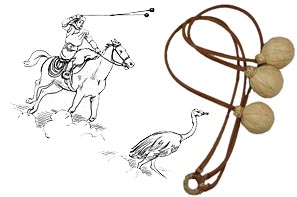
• make a spear, sling, "bolo" (with strings sinker for throwing)
• providing signals: for example, bind to the tree mirror / glass / bright cloth;
Fishing
• yarns are used as the core monofilament (fishing line) fishing;
• yarns for weaving the core grid
• to transfer or drying fish: stretch cord through the gills;
• bind / moor the boat,
Health care
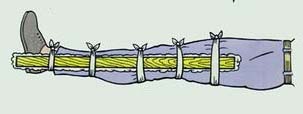
• Make the bus in case of a fracture or dislocation: tie a stick to the limb;
• make a sling for an injured hand;
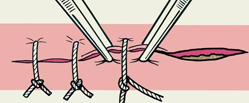
• untwist the core thread and use for sutures;
• as a substitute harness for bleeding;
• to make a stretcher: pull the cord between the two poles;
• Weave harness for carrying the wounded on itself;
• Remove the injured from the shelling; thread with a core as a dental floss;
Other
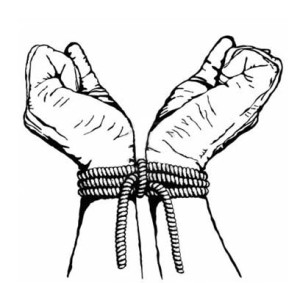
• tie the hands / feet the enemy, an enemy to bind;
• bind / to tie the animal; make a whip or whip;
• weave beads, or just make knots - or get a clear reference tool for distance traveled or time;
• make sewing meter replacement line;
• as a string to make a ladder;
• to replace the node marching
Good Luck!!!
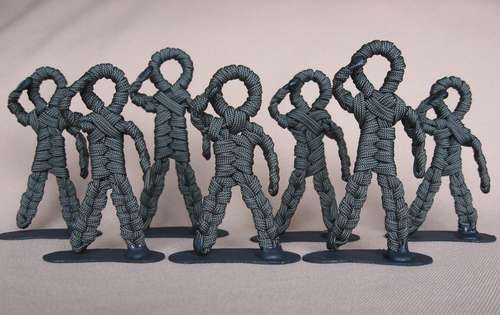
Specification
| Color | Grey Snake |
| Pattern Type | Camo |
| Paracord Type | 550 Type III |


